
Executive Coaching
Family business.
It’s personal.
For owners who want to create a business and future that work for them.
Welcome
Owning a family business can be one of the most rewarding things you’ll ever do. You have the opportunity to build something you care about, create value, provide livelihoods and shape a future for yourself and the people around you.
It can also be complicated. Business decisions are rarely just business decisions when ownership, family relationships, money, responsibility and your own hopes for the future are all part of the picture.
You might have an exciting idea and want the space to explore what it could become. Or there may be a decision that needs to be made, a conversation that isn’t happening, or something keeping you awake at 3am. Often these moments are also opportunities: to see things differently, develop as a leader and open up possibilities that weren’t visible before.
I’m an executive coach who has been a family business owner myself. I work with owners to create the space to think, explore and grow: to get clearer about what they want, develop their capacity to lead and turn new possibilities into action.

How I work
I work with family business owners who want to make things happen.
You may be growing the business, exploring a new opportunity, planning a change in ownership or working through a decision that has become harder to resolve than you expected. Coaching creates dedicated time and space to get underneath the issue, bring different perspectives into the room and make meaningful progress.
Family businesses are high-performance environments with an added layer of complexity and connection. Business, ownership and family relationships overlap, and the people involved can see the same situation very differently. I help you make sense of the whole picture, have the conversations that matter and find a way forward that works for you.
My approach is practical, commercial and highly personal. I bring experience of family business from the inside, alongside many years working with leaders and organisations through growth and change. I won’t give you a ready-made answer. We’ll work together to uncover the possibilities, make clearer decisions and turn them into action.
I work in focused, defined engagements designed around what you want to achieve. We might start with a half-day or full-day strategy session, bringing the key people together to explore what’s happening and create some initial momentum. Where there’s more to do, I offer programmes that combine group sessions with individual coaching, giving us the time and space to build on that momentum and achieve meaningful results.
The result is progress on the things that matter to you and greater capacity to shape what comes next.
What we might work on
Every family business is different, and what brings people to coaching can change as the business and family evolve. You might want to explore:
Growth and opportunity — where you want to take the business next and how to make the most of the opportunities in front of you.
A big decision — creating the clarity and confidence to make a decision and move forward.
Ownership — who owns what, whether that needs to change, and what you want ownership to look like in the future.
Succession — what happens next for you, the business and the people who may eventually lead or own it.
The next generation — how and when they become involved, what they want, and how you support them to find their own place.
Roles and responsibilities — getting clearer about who is an owner, family member, director or executive, and what each role asks of you.
Working together — improving communication, resolving differences and having conversations that have become difficult to have.
Leadership and people — building the team around you, developing people and deciding where family and non-family leadership fit.
Change and transition — preparing for a sale, acquisition, investment, restructuring or another significant change in the life of the business.
You — what you want from the business and from the next stage of your own life, particularly when those answers are beginning to change.
You don't need to arrive with the question neatly defined. Working out what really needs your attention can be part of the coaching.
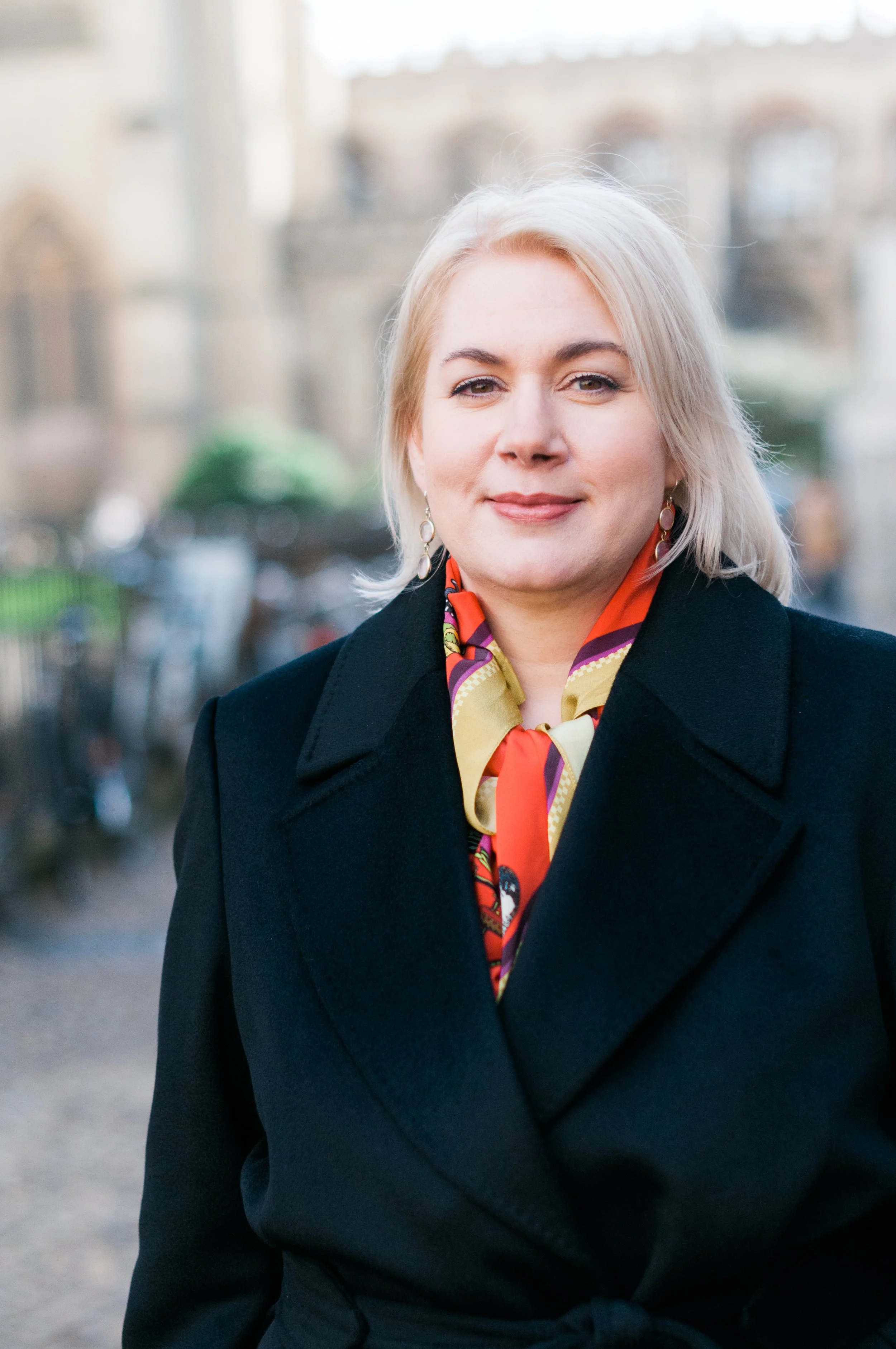
Meet Vicky
I know family business from the inside. I became an owner-director of my own family business unexpectedly in my early thirties. Over the following eight years I helped lead the business through growth, change and some very challenging economic conditions, culminating in its sale to a major US corporation.
Since then, I’ve built a broad career as a senior business leader, executive coach and business owner. I’ve run my own coaching and consulting business for more than a decade, holding CFO, COO and non-exec roles, working with boards and leadership teams, and supporting organisations through growth, transformation and changing ownership. My experience spans listed companies, privately owned businesses and purpose-led organisations.
Executive coaching brings those different strands of my experience together. I understand the commercial realities of running a business, but I also know how to create the kind of thoughtful, challenging space in which people can see things differently, discover new possibilities and make progress on what matters to them. I’m interested not only in the result someone wants to achieve, but in developing their leadership and strategic capacity along the way.
I trained as a Chartered Accountant at PwC, having originally studied English at Oxford, and I continue to write creatively. Perhaps unsurprisingly, my work now draws on all of those worlds: commercial thinking, curiosity, creativity and a genuine interest in the person sitting in front of me.
I know that owning a family business can be exciting, rewarding, frustrating, funny and occasionally completely bewildering. I’m not here to tell you how yours should work. I bring experience, perspective and a good understanding of the territory, then work with you to find the answers that are right for you.
Let’s talk
If you’re thinking about what’s next for your family business, working through an opportunity or dealing with something that needs to move, let’s have a conversation.
We can talk about what’s happening, what you’d like to achieve and whether working together would be useful.